Chapter 01
The autumn protocol
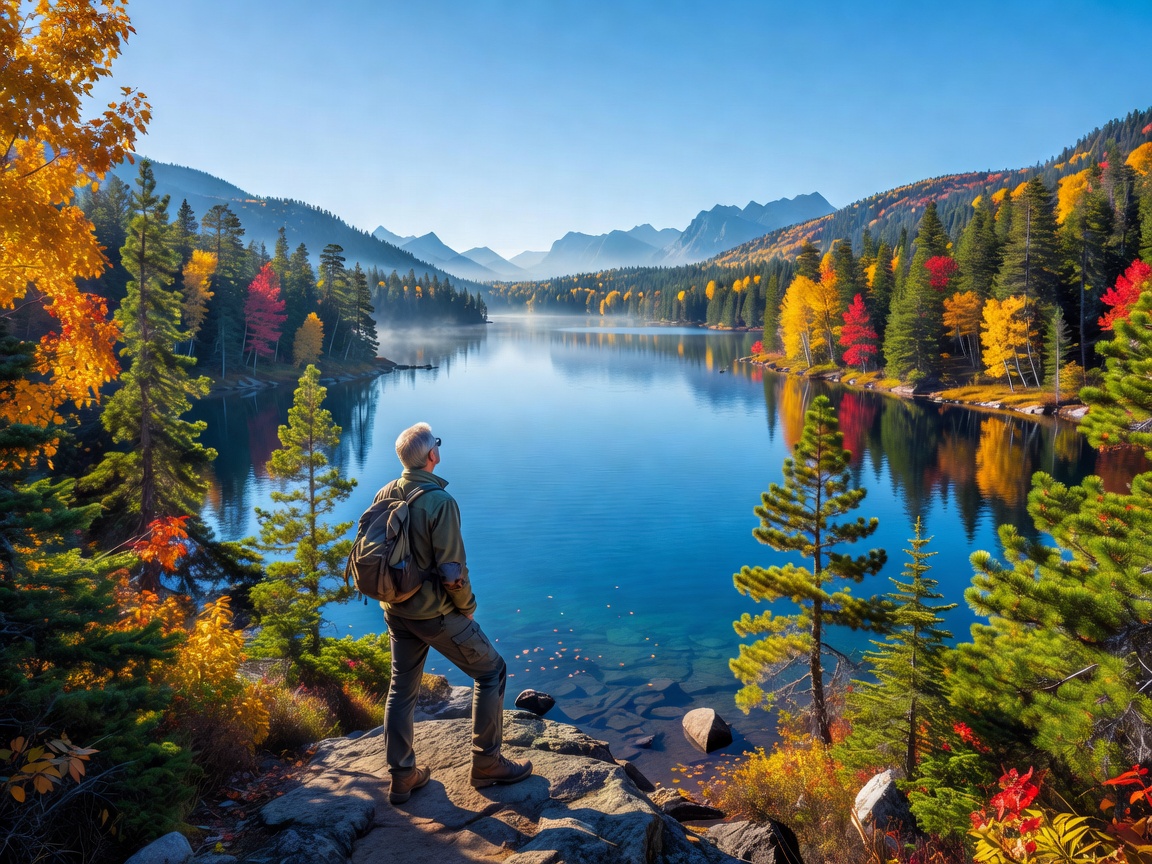
Autumn is the hidden-gem traveller’s secret weapon. School holidays end, accommodation prices drop by 20–40% in many places, and Mediterranean seas stay warm into October while the Alps and Carpathians ignite in gold.
- Mid–late September: Kotor and the Adriatic coast — swimmable water, fewer cruise ships.
- Early–mid October: Lake Bohinj’s larches and the Julian Alps at peak colour.
- Mid–late October: Transylvania’s beech forests around Sighișoara and Biertan.
- Late October–November: Monsanto and inland Portugal — mild days, clear night skies.
- From September: aurora season returns to Swedish Lapland at Treehotel.
Chapter 02
Weekend blueprints (48 hours)
Plovdiv: Roman stones & Thracian wine
Day 1: Old Town Revival houses, the Ancient Theatre at sunset, dinner in Kapana. Day 2: Bachkovo Monastery in the morning, a Thracian Valley winery in the afternoon.
Matera: caves & slow food
Day 1: Sasso Caveoso, rock churches and a cave-suite check-in. Day 2: sunrise from Murgia Timone, then lunch on peperoni cruschi before the shuttle to Bari.
Kotor: walls & water
Day 1: dawn fortress climb, old-town lanes, swim at Dobrota. Day 2: boat to Perast and Our Lady of the Rocks, then the Serpentine road to Njeguši.
Chapter 03
Slow rail to hidden gems
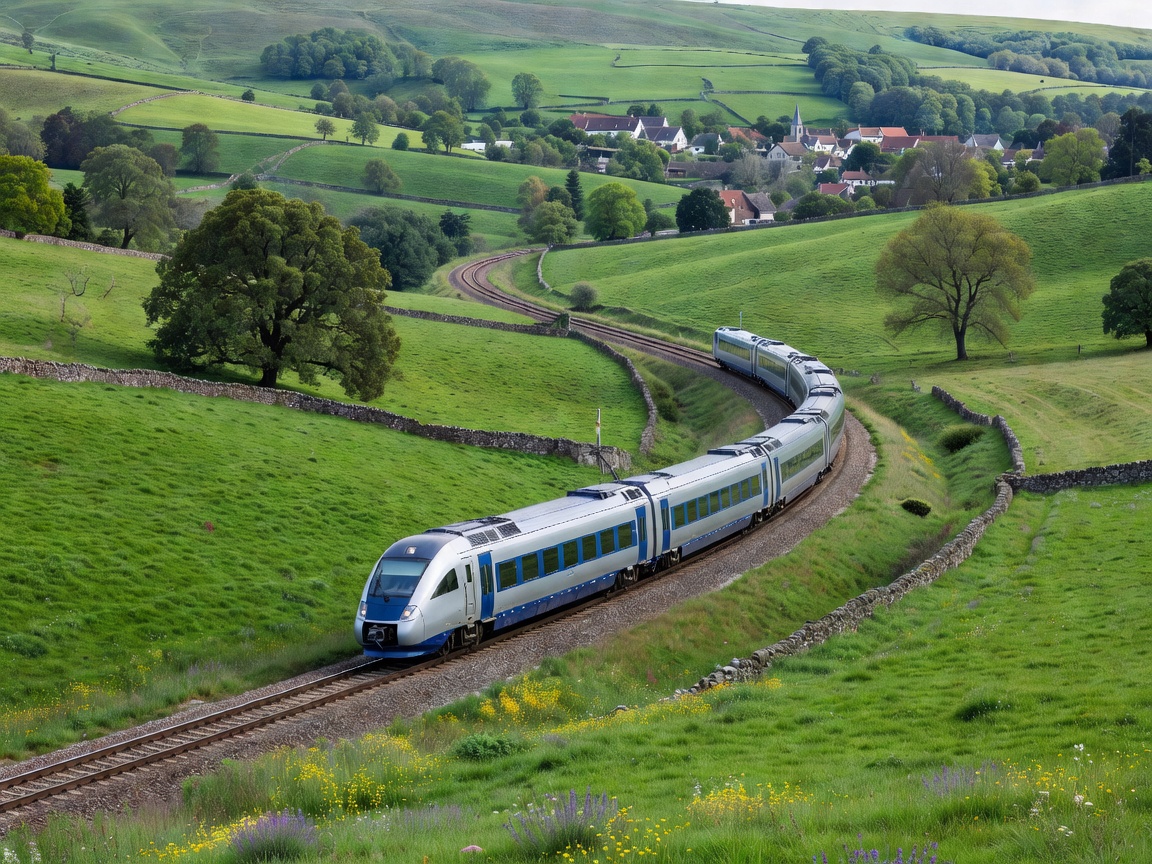
Rail turns transfers into highlights and cuts your trip’s footprint. Some of our favourite links:
- Bohinj car-train: a mountain railway tunnel linking Bohinjska Bistrica with the Soča Valley side.
- Bari → Matera (FAL): regional narrow-gauge line through Apulian countryside.
- Brașov → Sighișoara: a slow, scenic Transylvanian connection.
- Stockholm → Swedish Lapland: overnight sleeper trains head north towards Boden and Luleå.
- Sofia → Plovdiv: an easy, inexpensive intercity hop.
Chapter 04
Unusual hotels: the booking playbook
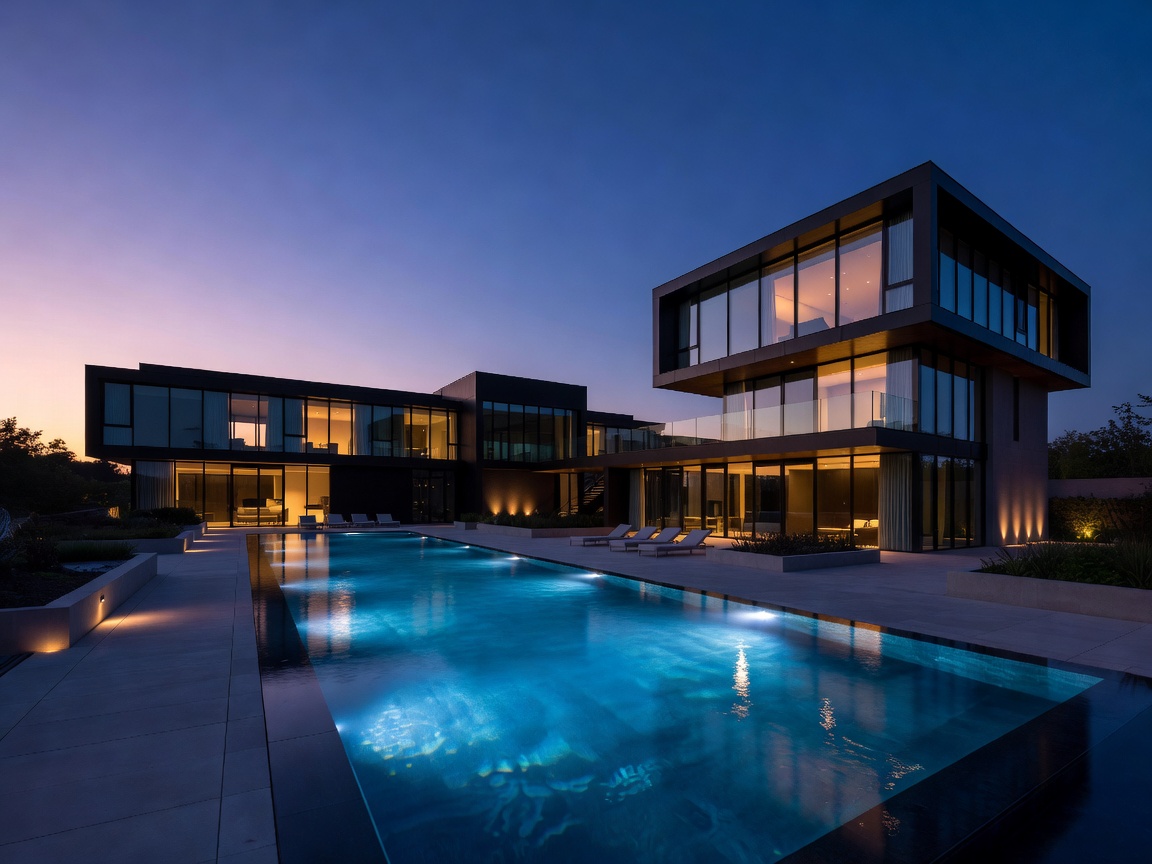
Unusual stays sell out first because room counts are tiny. Treehotel has only a handful of treerooms; Matera’s finest cave suites are limited by the caves themselves.
- Book directly on the official website to choose a specific room design.
- Target Sunday–Thursday nights for better availability and rates.
- Read access notes carefully: cave hotels often involve stairs and cobbles.
- Check what’s included — saunas, breakfasts and transfers vary widely.
- Confirm cancellation terms with the provider before paying.
Chapter 05 · Surrounding highlights
Regional highlights around each gem
Julian Alps (Bohinj)
Lake Bled, Pokljuka plateau, Vintgar Gorge and the emerald Soča River for rafting and WWI history in Kobarid.
Bay of Kotor
Baroque Perast, Lovćen National Park, the Luštica peninsula and quiet coves near Herceg Novi.
Southern Albania
The Blue Eye spring, Butrint’s Greek-Roman ruins and the beaches of the Albanian Riviera.
Basilicata & Apulia
Alberobello’s trulli, the Craco ghost town and clifftop Polignano a Mare.
Thracian Plain
Bachkovo Monastery, Asen’s Fortress and the Rhodope Mountains’ villages and wineries.
Beira Baixa
Idanha-a-Velha, Penha Garcia’s fossil trail and the stone villages of Sortelha and Piódão.
Swedish Lapland
Gammelstad Church Town (UNESCO), the Arctic Circle line and Storforsen rapids.
Transylvania
Fortified churches of Biertan and Viscri, Brașov’s old town and Sibiu’s squares.
Chapter 06
Travel responsibly in fragile places
Hidden gems stay special when visitors spread out, spend locally and respect residents. Small towns can feel overwhelmed quickly.
- Stay overnight instead of day-tripping — it supports local businesses and eases peak-hour pressure.
- Visit iconic viewpoints early or late and explore secondary villages midday.
- Choose family-run guesthouses and eat at independent restaurants.
- Follow national-park rules; at Lake Bohinj, swim and paddle only where permitted.
- Ask before photographing residents and their homes, especially in lived-in citadels.
Chapter 07
Frequently asked questions
When is the best time to visit Europe’s hidden gems?
Mid-September to late October offers warm days, autumn colour, lower prices and far fewer crowds across most of southern and central Europe. For the aurora, travel to Lapland between September and March.
Do I need a car?
Plovdiv, Kotor and Matera work well with public transport. Rural villages like Monsanto and the Saxon villages around Sighișoara are much easier with a rental car.
How should I book unusual hotels?
Book directly with the hotel’s official website when possible. Showbeaconcrewpi does not process bookings or payments — every “Book Direct” button sends you to the provider’s official system.
Which currencies will I need?
Euro in Slovenia, Montenegro, Italy, Portugal and Bulgaria (from January 2026); Albanian Lek in Albania; Romanian Leu in Romania; Swedish Krona in Sweden. Cards are widely accepted, but carry some cash for small villages.
Next step